The paper refuses the eraser
There are some truths in this world that you grow into slowly.
Said truths exist and begin to shape you before you even gain the knowledge to name them.
One such truth I began to understand was that some of us were born into this world, learning that we must yearn for a place that cannot always be seen nor felt, except for the lucky few.
We learnt that we were to love said place, to feel its pulse within every one of us and to understand this place calls to you in spite of the cold metal bars that pierce through you each time you attempt to call back its name.
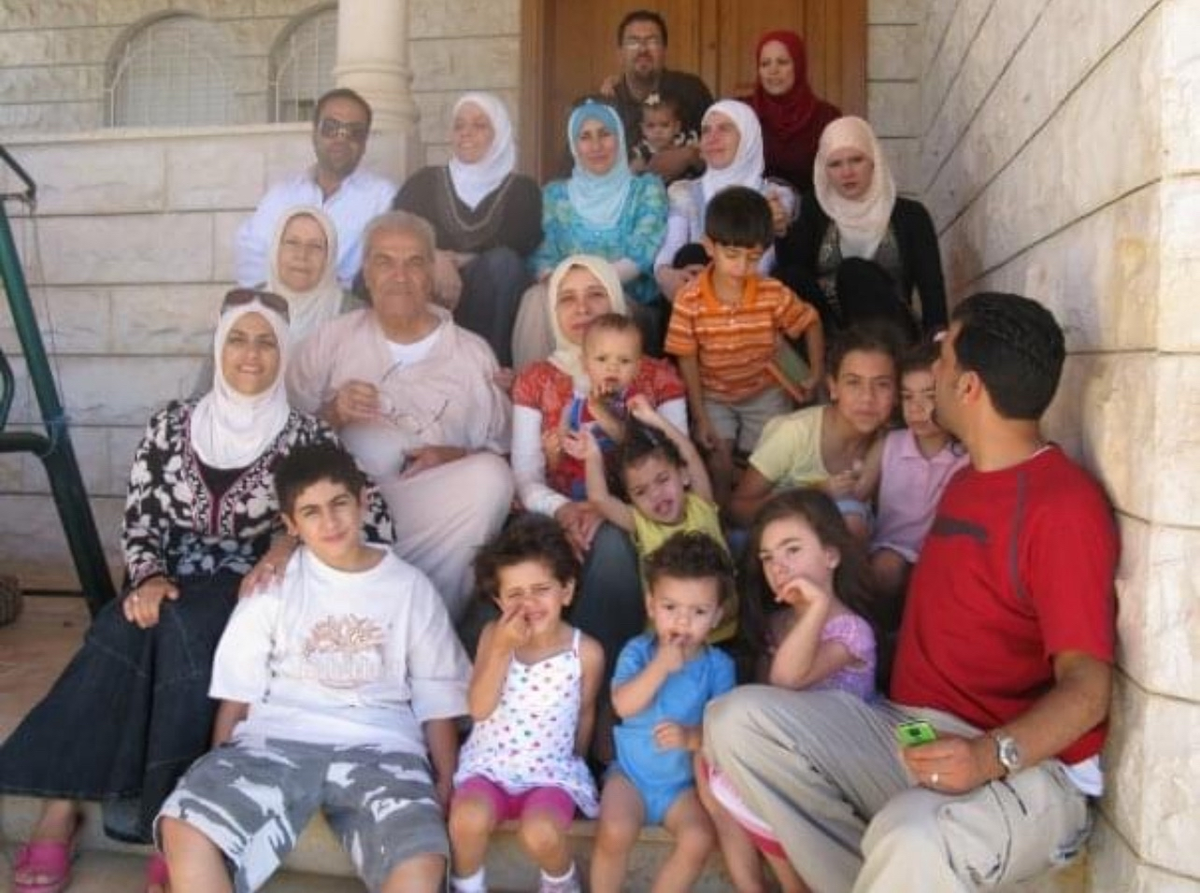
It was in Palestine, when I first stepped through the first checkpoint, that I truly began to understand what it meant to be able to hold onto the joy, the hope, and pride of our people; the knowledge that every memory created, every story retold, every song that was sung was an action taken to hold on to our history. To then have to endure our erasure and carve out a place for ourselves in a home away from home, carrying with us the memories of who we were and where we come from. To love despite the hardships, the grief, the loss. To love because to deny that love was to deny the very thing that defined us.
It must be understood though, that this love is not sentimental. It is not the romanticised kind of love that the West imagines when they observe the photographs of our children among the ruins of our homes, not with any concept of who we are as human beings, but through a gaze that thrives on our suffering, who render us into spectacles of short-form content, sorting us into distant martyrs, the numbers to be consumed as trending headlines and then discarded just as quickly.
This love is instead a quiet, unyielding insistence.
It is defined by the parents who taught their children the names of our villages and streets, which no longer appear on maps. It is stated by grasping onto the weight of our history with grace, knowing that dignity is not granted; rather, it is lived, absorbed, restructured and passed on.
Being Palestinian never inherently meant that our very existence was an act of resistance, yet it was by the West’s inability to conceive others as human that our presence began to be treated as an inherent defiance to them.
There exists a cruelty in having to justify your own humanity to a world that has become so apathetic to its own person, that it has not yet achieved the ability to unravel the blindfold they tightened onto themselves.
Yet, we still attempt to pull the blindfolds back, still attempt to speak through your merciless hands. Not to beg for your understanding, but rather to insist that our grief, our hope, and our love is as undeniable as the sky being blue.
It is to insist to those blinded by their arrogance and ignorance that distance is not a severing of our ties. Instead, it is within that distance that the ability to love without guarantee endures, to be able to hope without permission, to belong somewhere even when your very presence there is denied.
It is here that I hope you begin to understand that to love my homeland through my people’s memory to inherit their stories and places, to believe in its life and its beauty even when the world only sees its absence, is not an act of despair nor grief. It is humanity, raw, unextinguished. It is proof that love is not weakness, but the purest measure of life itself.
If you can see this, truly see it. Recognise that we, the people who struggled and fought to continue preserving this love and memory, are living proof of what it means to be human, even when there comes a time that the world has forgotten that.
Because what you are witnessing is not simply survival, nor is it only resistance. It is the refusal to be written off; it is an act of defiance in the face of the occupiers’ vicious whims; it is the refusal to become anything less than whole in a world that has, time and time again, attempted to refuse us at every turn.
And in that refusal, within this quiet, unyielding insistence to love, to remember, and to remain, there exists something that the world has long since lost its ability to recognise. That which is nothing short of humanity, in its most enduring form.
And this – this is one of our many truths.