Ethan Floyd fresh off the Global Sumud Flotilla
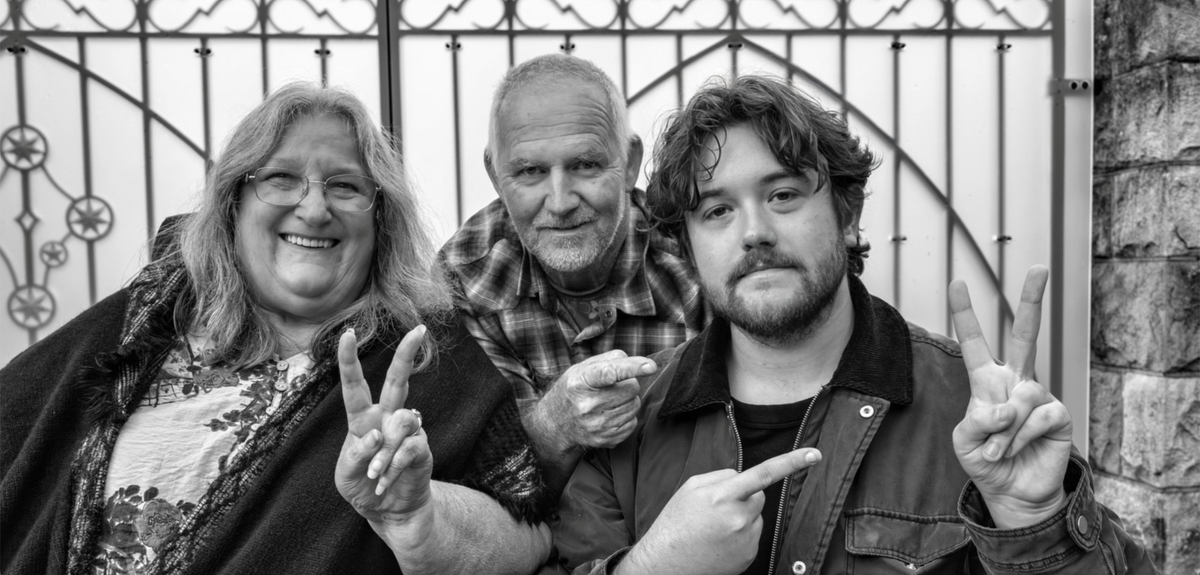
I had a chance to speak to Ethan Floyd, a 22 year old Indigenous student from the University of Sydney (USyd) and a member of Students for Palestine, who recently arrived home on the 4th of May after joining the Global Sumud Flotilla’s most recent effort to break the illegal Israeli siege of Palestine.
The most recent flotilla has become the largest civilian-led convoy in history, with more than 400 participants from 44 countries across 50 boats. Ethan joined around 20 other Australians in attempting to break the naval blockade imposed by Israel.
Ethan got involved with the flotilla by reaching out to an activist, Surya McEwen, who has sailed out with the Global Sumud Flotilla multiple times in an attempt to bring aid to Palestinians. Moved by a recount of their experience, Ethan felt that they themselves would not be brave for wanting to join, but that it was a desperately reasonable action to take.
“I don’t know if you’ve ever had the privilege of hearing Surya speak, but he’s an absolutely beautiful human,” Ethan said.
“He’s giving just the most beautiful account of not only what he experienced but the most visceral and emotional justifications for why anyone would go through what we went through, or experience what we experienced.”
Spurred by his words, Ethan joined and was taught to sail among other skills they would need while participating in this aid mission. The Global Sumud Flotilla is always ready to receive those who wish to take their direct actions further.
Of course as young students, our parents are always fearful for our safety, and Ethan’s mum was no exception. Ethan recalls the long conversations and the tough questions that sometimes they didn’t have an answer for.
“It took three or four goes before she was open to the idea, a lot of long chats explaining anything I could, helping her and the rest of my family understand,” Ethan said.
“I come from a part of the movement where my role is to organise, to do things, to arrange, and so to come from that space into the flotilla space where my only job is to get on a boat and sail.
“It’s a new space for me, it’s a new experience not knowing everything and making decisions the day-of and having discussions on incredibly short timeframes.
“That’s something even I had to grapple with, let alone my family who don’t come from organising spaces, it was new for all of us.”
While Ethan was in Italy, the country stationing the Global Sumud Flotilla, they were tasked with fixing the boats and preparing to set sail with supplies. That time in Italy was filled with locals supporting and celebrating with the flotilla aid workers before they were set to leave.
During this time in port, homesickness took hold, but a walk through town with Jayden Kitchener-Waters revealed that home was with them wherever they went. In a quiet part of town they came across some eucalyptus trees and wild bushes of wattle.
“Myself and Jayden Kitchener-Waters, we were taking a stroll around town one day and we thought we saw gum trees, but as we got closer there was a little forest of Eucalyptus here,” Ethan said of their homesickness.
“As we turned another corner we came across this massive bush of Golden Wattle.
“Before I left I had a chance to spend the day in Canberra with Lidia Thorpe.
“The one thing she said to me was to ‘remember that our ancestors and our old people are with us no matter where we go,’ and that day we saw those Eucalyptus and Golden Wattle I think was a moment for me where I realised there were parts of home that were being carried with us here.
“Parts of our country that were following us on this mission.”
It was a beautiful and re-motivating experience, and Ethan was more than ready to set sail with their crew on the 26th of April.
Ethan’s role on the boat was that of an organiser of their crew, keeping communication clear with other ships, helping navigation, and other housekeeping and engineering. It was a boat that they barely got running — it had only just survived the last journey, and was quite old at this point.
The crew of six on Ethan’s boat consisted of a captain steering the ship and a medic who both knew the Mediterranean Sea like the back of their hand. They had a first mate who aided the captain and a journalist from the UK producing footage of their experience. They were also joined by a Belgian diplomat.
“The diplomat from Belgium, who is 78 years old, was the oldest person on the mission, and I’m 22, the youngest person on the mission, and when you add our ages together it made 100, that’s pretty kismet,” Ethan joyfully recalled.
In the early evening hours of the 29th of April, the crew had their first encounter with Israeli forces. Reports from other ships of a heavy drone presence were coming in, which was unusual to encounter so early in their journey before they even reached their first checkpoint in Greece.
“They’re quite scary, they blend in with the stars quite often,” Ethan shared.
“It’s a thing of looking at these beautiful constellations and then the terror when you realise that one of these stars is actually a drone and it starts blinking and moving.”
UAVs and quadcopters were following them, but all they could do was watch.
“After that it was a couple of hours of monitoring the situation and then I remember coming up to the deck from the cabin and the first thing I saw was an enormous black silhouette of a warship on the horizon,” Ethan said.
The Israelis jammed the radios of the flotilla with theme songs of 80s and 90s TV shows. They spotted smaller ships that sailed alongside the warships, which had found them with a spotlight. They turned off their spotlight for a moment while the crew was preparing their interception protocol, where they put on their lifejackets and sit on deck with their hands in the air. In this moment of opportunity, the crew quickly tried to make a getaway.
“We thought this was our moment, so we jumped straight back into the cockpit and took off at full speed,” they said.
“If we can make it out of international waters and into Greek territory then there’s not a whole lot the Israelis can do.
“So we headed off at full speed but we were going way too fast for our little old engine and it blew itself, getting us stuck.
“That’s when the boat caught up to us and we got intercepted.”
The crew found green lasers tracing their heads and chests as weapons from afar were trained on them. The Israelis boarded the boat and started questioning the crew, trying to identify the captain. Their tactic is to find the captains of the boats and treat them far more harshly than the rest of the crew, and will abuse the crew until they do.
“We make it a practice to not identify the captains, but they started to rough around other people on the boat,” Ethan said.
“It was at this point that I identified myself as the captain even though I wasn’t.
“I was questioned for fifteen to twenty minutes… if there was a question that I didn’t answer or in a way that wasn’t satisfactory, I was beaten.”
After questioning, the sails of their boat were slashed and a drill was brought to create a hole and sink it. The crew was detained and taken on board the Israeli ship while their boat sank. They were taken to the main war ship where dozens of soldiers forced them to crawl on their hands and knees through a corridor, where they were prodded along with the barrels of guns.
Passports and personal belongings were confiscated and many who were detained were strip-searched and had some of their clothes taken away. Ethan themselves was strip-searched, and went without their shoes until a riot by members of the flotilla demanding basic necessities caused the Israelis to return some of their clothing.
“We were then forced into a container, and I thought that they were gonna take the shipping container somewhere — I wasn’t exactly sure what was being done,” Ethan recalls.
Ethan was being herded through a corridor of shipping containers until the last set of doors opened to reveal all the other detained flotilla members from other ships, who erupted into cheers seeing another crew member safe.
The Israelis constructed an enclosure made of shipping containers that was ringed with barbed wire and hardwood floors. A stack of foam mattresses that was not nearly enough for the number of people being illegally held was to be used for sleep. A viewing platform above the enclosure held cameras and rifles that were always watching people inside.
Those who were detained were subjected to torture, such as being forced into a stress position for hours, where they got on their knees, crossed their ankles, held their hands behind their back while forcing their heads down into their own laps as far as possible. If the Israelis found their position unsatisfactory, they would bash the victims with the butt of their guns or kick them in the gut.
Occasionally, certain members of the flotilla would be taken to solitary and the crew began making demands of the Israelis to return them, as well as for other necessities. The crew were at times forced to count themselves by grouping each other into groups, and found they could defy this order and use it as leverage to make demands of the Israelis. Ethan also recalls that they actually outnumbered the crew on the warship, so although they had no weapons, they had strength in numbers.
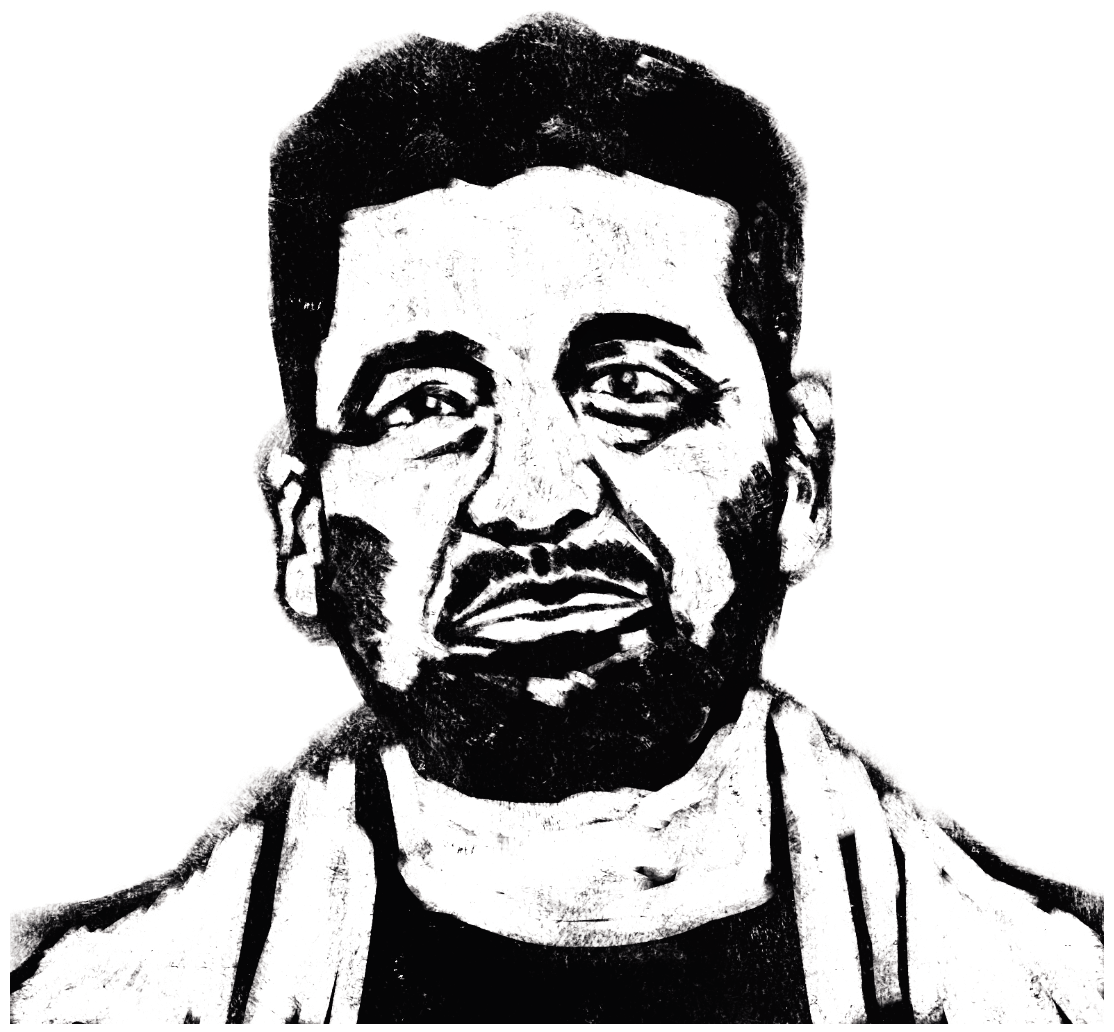
Saif Abu Keshek, a prominent organiser of the Global Sumud Flotilla, was taken from the enclosure and put into solitary. He was planning on hopping off at Crete before the flotilla proceeded further for fear that he would be abused harshly for being a Palestinian but was instead captured and tortured by Israeli forces.
“I have never heard anyone scream how Saif screamed when he was being taken away from the brig,” Ethan recalled.
When Saif was taken away, everyone rioted that night for his release and that of four other comrades who were locked in solitary, also demanding medication and clothing. They relented and provided, but their friends remained isolated and as punishment for the riot, Thiago Ávila was also put in solitary.
“As soon as dawn broke, suddenly the Israelis let off some shots and started banging on our containers,” Ethan said. The Israelis used ‘less-than-lethal’ rubber rounds, which were steel balls tipped with rubber and still caused a great deal of damage.
“They came into our enclosure and told us we were being moved to another boat.
“Regardless of whether we came willingly or whether we were dragged out, we were going peacefully either way.
“The only violence that took place on that boat was from the Israelis.”
They were told they were being taken to a foreign country but weren’t informed of which one. It was a tactic to divide the flotilla to force them to make a choice between complying or standing their ground and remaining detained. Irregardless, they were all dragged off the boat and three of them were shot while being forced off.
“And then we were just picked up and thrown off the boat,” they said.
“I land in the arms of someone in a blue uniform, I don’t know who this person is but I know they’re not Israeli, because it’s the first time in days that I’ve been able to see someone’s face, because they’re not wearing a balaclava or mask.”
The Israelis would often abuse their victims for simply looking at them, even though they were masked.
From the Greek navy, the members of the flotilla were dropped off at an industrial port and then taken to the town of Sitia. There they were treated at a regional hospital for their injuries, and while Ethan was being cared for the cuts, bruises, and concussion they suffered, their comrades had to treat bullet and flesh wounds.
They were then put on a bus and escorted to an airport where embassy officials would supposedly be waiting, but they were rerouted to Heraklion when the officials went home for the day.
“It was at that point that we were swept up in a marching procession by the local communist party,” Ethan said.
They were fed by the local communists and provided beds to sleep in, though Ethan and a few other members of the flotilla refused food as they were on a hunger strike to demand for the release of Saif and Thiago.
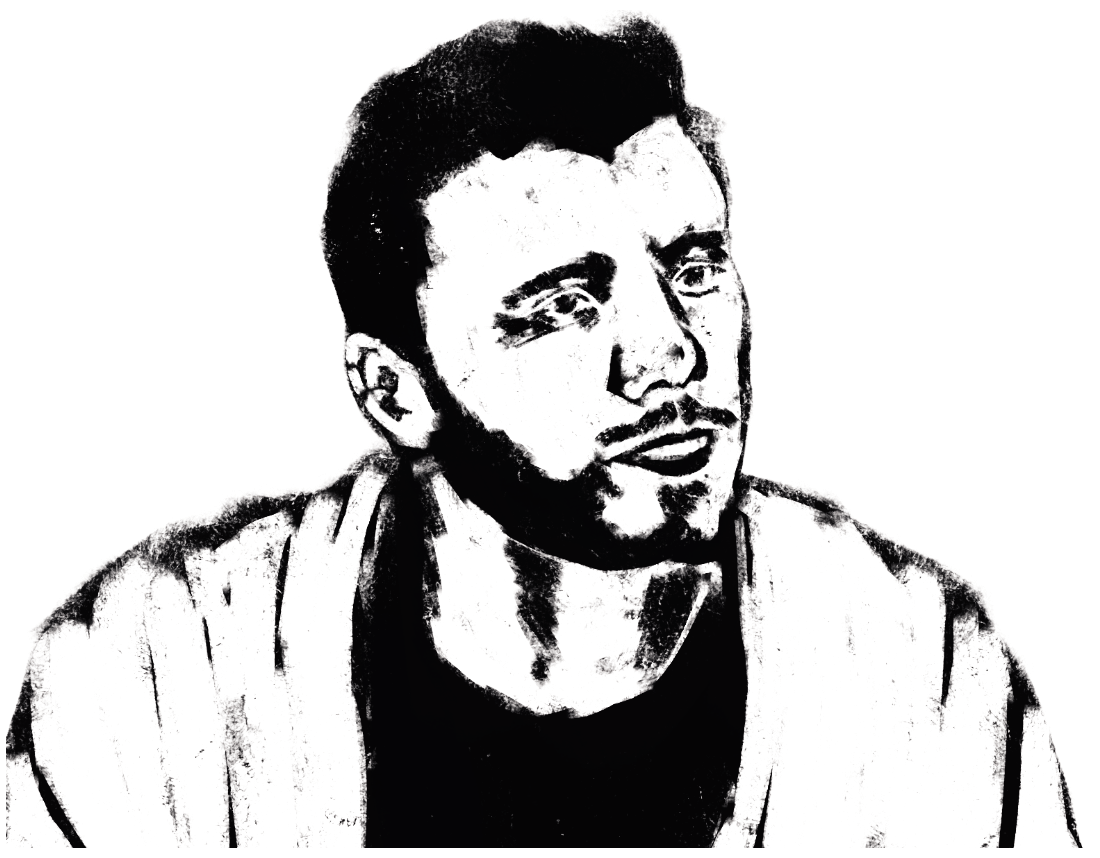
The next day Ethan was able to make contact with the Australian Embassy, though their interactions were convoluted and strained.
“They were much more interested in information gathering than they were actually interested in supporting us,” Ethan recalls.
“Once we got through all the silliness of that, I decided to manage my own travel as they were thinking of booking me on a three-and-a-half thousand dollar flight that they would have made me pay for.”
While Ethan arranged for their own flight home, they didn’t wish to inform the embassy of their travel plans, but they found out anyway. They were followed by local cops until they flew out and arrived home.
Arriving to the deep embrace of their mother and many of their friends and comrades who were worried for their safety, Ethan has already thrown themselves back into activism by speaking to the mainstream media and taking part in more rallies.
“Gaza has changed not just young people’s media literacy but people’s media literacy,” Ethan shared, while we discussed their outlook on the role the media plays in bringing awareness to the genocide but also how the mainstream media manufactures consent for the Israeli apartheid state.
“One, there is a chasm: a widening between what we’re being told to accept by our media class and our political leaders against what we can see with our own eyes. What separates the genocide in Gaza from past historical genocides is that we don’t encounter it years later in a history textbook, we can see it live on our phones every single day.
“There are journalists on the ground in Gaza, and I paint that term with a broad brush because Israel has made the conditions for a formal education in Gaza incredibly difficult, so I think anyone with a smartphone in Gaza is a journalist, to document and analyse, go live on-air, and to archive. The more documentation that exists the harder it becomes for our media class to paint a picture of anything other than the truth.
“The problem with all that is while the truth is on our side the money isn’t, so legacy and traditional media continue to toe the line when it comes to this genocide. They quote almost exclusively from Israeli sources and they are absolutely doing exactly what Israel would like them to do. It only serves to worsen our understanding of truth.”
Ethan, as a former Honi Soit editor at USyd back in 2023, had a message to impart on prospective student journalists and the role they play in activism.
“Student media occupies a really priceless space in the [media sphere], to have free reign over a publication and complete editorial control over what you say and how you say it. There’s an opportunity that comes with that but also a massive responsibility… [student media] plays a role in the setting of the tone and the positions of the debates happening on campus.
“Even if nobody references your article, they may have read it or they’ve heard someone who has read it and in that way, the positions that are put forward, aren’t throwaway things that you can write and forget about and believe have no impact.”
Ethan had one last message to impart to students everywhere.
“Students have always made up the frontline of social movements for the last hundred years, anywhere you look: Vietnam, South Africa, the [1965] Freedom Rides, Iraq, Afghanistan, Rwanda, anywhere you look. Students have led the charge, both in their own countries and in a global context.
“If you find yourself on the same side as a student on any given social struggle, you can count that you’re on the right side.”
Since Ethan’s return, the flotilla re-embarked on their journey but was intercepted again, unable to break the blockade. Those detained have thankfully been released and are returning home, but the genocide in Gaza continues and aid has yet to arrive.
Students for Palestine is a set of student activist collectives across the country that aim to further the movement of solidarity with Palestine. You can join them at https://www.studentsforpalestine.me/join